01
Foundations
Design for alignment
Great software exists at the exact intersection where technology aligns perfectly with human intent. My purpose as a leader is to find and secure that point of alignment to deliver exceptional product experiences.
About Marcin Treder
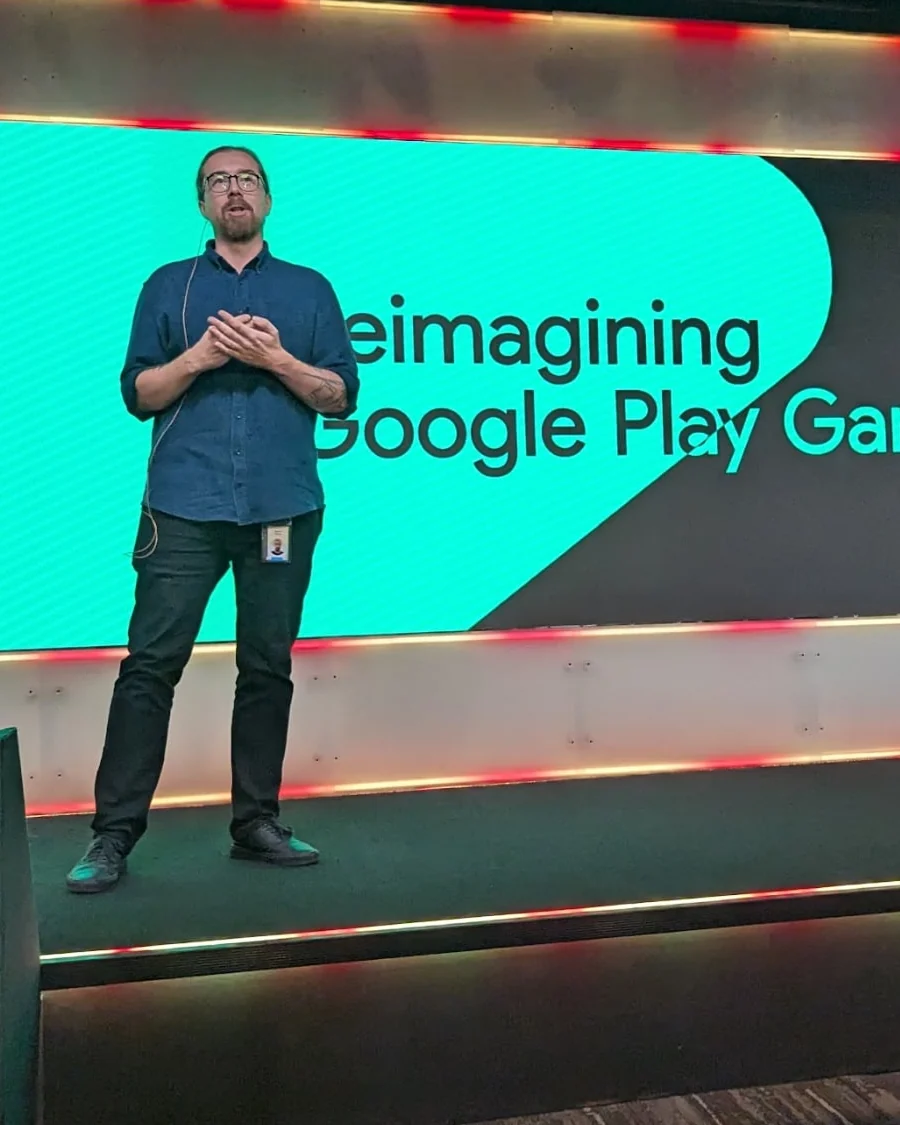
A versatile technology executive with 17+ years of experience leading teams at the intersection of user experience, product and engineering.
My career spans a full founder-to-acquisition journey as CEO of UXPin, and senior leadership at global scale as a Director at Google. My current focus is applying that blend of experience to define the future of software through AI — the subject of my forthcoming book, The AI Handbook for Product Design.
Outside of work: a proud dad, a guitarist for over 25 years, and a relentless tinkerer.
15+ years of management experience, leading global, cross-functional organizations of up to 100 people. Proven ability to mentor leaders and build high-performing teams that deliver product excellence for billions of users.
Co-founded UXPin, led the company as CEO, and scaled it to a successful acquisition. Responsible for overall company strategy, securing multiple rounds of venture capital, and driving an enterprise business model.
A design practitioner at heart with hands-on coding skills in Python and JavaScript. Deeply invested in AI and ML — with in-depth training at Stanford, UPenn and the University of Colorado — and a passion for leading innovation and shaping next-generation product strategy.
Recognized as an MIT Top Innovator under 35. Author, and a frequent speaker at over 50 global conferences on design and technology.
My design ethos
Foundations
Great software exists at the exact intersection where technology aligns perfectly with human intent. My purpose as a leader is to find and secure that point of alignment to deliver exceptional product experiences.
Leadership
Scaling a high-performing organization requires a leader who stays deeply connected to the actual work. I lead by example, keeping a hands-on understanding of the craft to cultivate continuous learning across the team.
Vision
Shaping the future of design demands rolling up our sleeves to experiment with emerging technology and actively define the vision — so that as software grows exponentially more complex, the human experience stays grounded and intuitive.